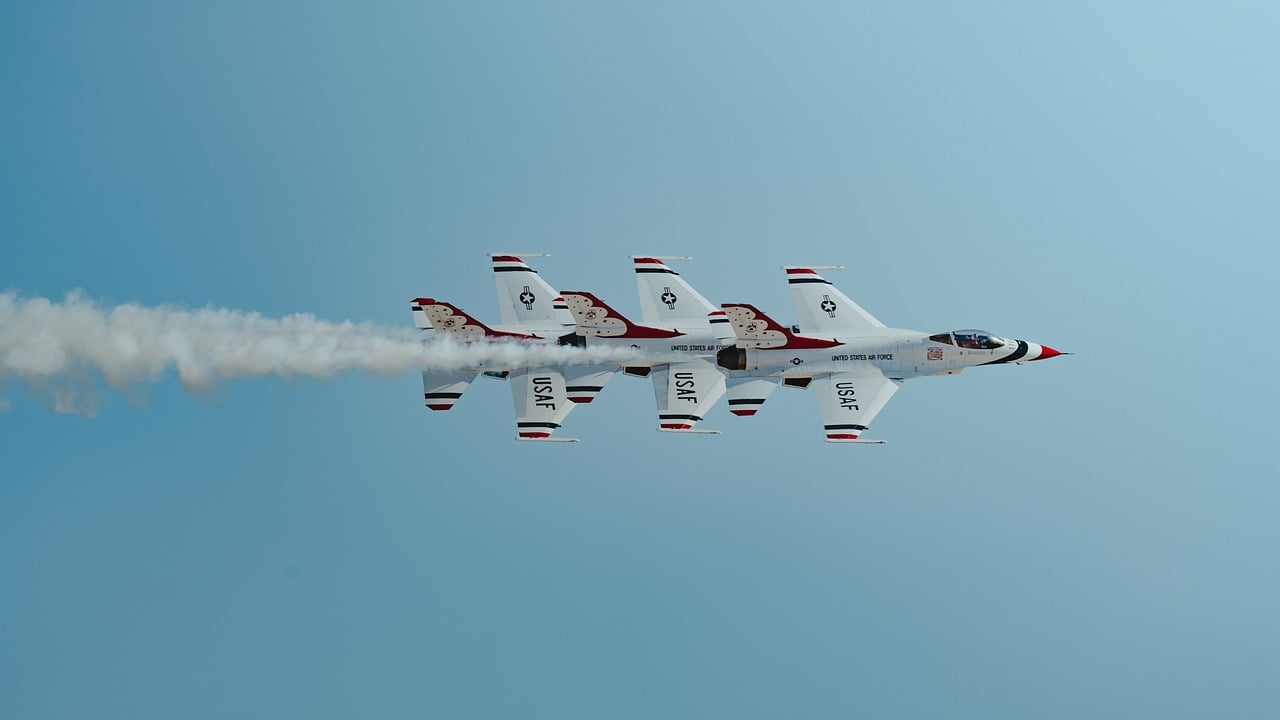
Aeroplane: A Comprehensive Exploration

Introduction

In the vast domain of aviation, the aeroplane stands as a marvel of engineering, revolutionizing global connectivity and transportation. This article delves into the multifaceted world of aeroplanes, exploring their significance, historical evolution, and profound impact on society. Through an in-depth analysis, we will navigate through various aspects, from technological advancements to economic implications, policy frameworks, and future prospects. By the end of this journey, readers will gain a comprehensive understanding of aeroplanes and their pivotal role in shaping modern travel and commerce.

Understanding Aeroplane: Unveiling the Flying Machine

Definition and Core Components

An aeroplane, commonly referred to as an airplane or aircraft, is a powered, heavier-than-air machine capable of sustained flight through the manipulation of forces acting on its surface. It consists of several critical components that work in harmony to achieve flight:

  1. Airframe: The structural framework that provides the plane's shape and supports all other systems.
  2. Engines: Responsible for generating thrust, typically using jet or piston engines.
  3. Wings: These provide lift by exploiting the principles of aerodynamics, allowing the aeroplane to defy gravity.
  4. Control Surfaces: Moveable parts like ailerons, elevators, and rudders that enable pilots to steer the aircraft.
  5. Cockpit: The command center where pilots operate the controls and monitor flight instruments.
  6. Fuel Systems: Store and supply fuel for engine propulsion.
  7. Landing Gear: Supports the aeroplane during ground operations and provides a means of landing and taxiing.

Historical Context and Evolution

The journey of aeroplanes began in the late 19th century with pioneering efforts from inventors like Otto Lilienthal, who conducted extensive glide flights. However, the modern aeroplane as we know it took shape during the early 20th century. Key milestones include:

  • 1903: The Wright Brothers' successful flight at Kitty Hawk, marking the first controlled, powered flight.
  • World War I: A catalyst for aviation advancement, leading to significant improvements in aeroplane design and technology.
  • 1927: Charles Lindbergh's solo transatlantic flight in Spirit of St. Louis, symbolizing long-distance air travel's potential.
  • Post-World War II: The jet age began with the introduction of jet-powered aeroplanes, dramatically increasing speeds and capacities.

Significance in Modern Life

Aeroplanes have become an indispensable part of modern society, facilitating:

  • Global Connectivity: Linking continents and enabling rapid travel, fostering international trade, and cultural exchange.
  • Cargo Transportation: Playing a crucial role in the movement of goods, contributing significantly to global supply chains.
  • Emergency Response: Providing swift access to disaster areas and aiding in search and rescue operations.
  • Scientific Research: Used for atmospheric studies, environmental monitoring, and exploring remote regions.

Global Impact and Trends

International Influence

Aeroplanes have left an indelible mark on the world, with their influence permeating every corner of the globe:

  • Tourism: They are the backbone of international travel, enabling millions to explore distant lands.
  • Economic Growth: Aeroplane-driven connectivity has fostered economic development in remote regions, opening up new markets.
  • Cultural Exchange: Facilitating the movement of people and ideas across borders, enriching diverse communities.

Regional Trends

Different regions have unique aeroplane-related dynamics:

| Region | Trends/Challenges | Example | | --- | --- | --- | | North America | High air traffic density, focus on efficiency and sustainability. | US airlines leading in fuel-efficient operations. | | Europe | Strict environmental regulations, integration of single European sky. | EU's initiative to create a unified aviation market. | | Asia Pacific | Rapid growth in domestic flights, increasing demand for regional jets. | China's growing domestic airline industry. | | Africa | Addressing infrastructure gaps, promoting regional connectivity. | African countries investing in airport development. |

Economic Considerations

Market Dynamics

The aeroplane industry is a significant economic sector, with various market segments:

  • Commercial Airlines: The primary users of aeroplanes, operating scheduled passenger and cargo services.
  • Charter and Private Aviation: Offer customized travel experiences for individuals and groups.
  • Business Jets: Used by corporations for executive travel and business operations.
  • Military Aviation: Involves specialized aircraft for defense and security purposes.

Investment Patterns

The industry attracts substantial investment:

  • Aircraft Manufacturing: Major companies like Boeing, Airbus, and Lockheed Martin drive innovation and production.
  • Airport Infrastructure: Governments and private entities invest in airport construction and modernization.
  • Aviation Services: Ground handling, maintenance, aviation fuel, and insurance sectors contribute to the economy.

Aeroplanes in Economic Systems

Aeroplanes play vital roles in:

  • Trade Facilitation: Enabling efficient movement of goods, impacting global supply chains.
  • Job Creation: Supporting millions of jobs worldwide across manufacturing, operations, and services.
  • Revenue Generation: Airlines and aviation-related businesses contribute significantly to national economies.

Technological Advancements

Revolutionary Innovations

The aeroplane has witnessed remarkable technological leaps:

  • Jet Propulsion: Introduced in the 1940s, jet engines revolutionized speed and efficiency, making air travel faster and more accessible.
  • Avionics: Advanced flight instruments, navigation systems, and computerization have made flying safer and more precise.
  • Composite Materials: Lighter and stronger materials like carbon fiber have improved aircraft performance and reduced fuel consumption.
  • Autopilot Systems: Enhance safety and efficiency by automating various flight tasks.
  • Electric and Hybrid Aircraft: Emerging technologies aiming for sustainable aviation, reducing environmental impact.

Impact and Future Potential

Technological advancements have:

  • Increased Safety: Improved avionics and computer systems reduce human error, making flights safer.
  • Enhanced Efficiency: New propulsion systems and lightweight materials improve fuel efficiency.
  • Sustainability: Electric aircraft and improved aerodynamics offer potential solutions for a greener aviation future.
  • Connectivity: Advanced communication systems enable real-time data sharing and better coordination.

Policy and Regulation

Governing Bodies and Frameworks

The aeroplane industry operates within a stringent regulatory environment:

  • International Civil Aviation Organization (ICAO): A United Nations specialized agency setting global aviation standards.
  • Federal Aviation Administration (FAA) in the US, European Union Aviation Safety Agency (EASA), and regional bodies ensure safety and enforce regulations.
  • Air Traffic Management (ATM) Authorities: Manage air traffic control, ensuring safe and efficient airspace utilization.

Regulatory Aspects

Key policies and regulations include:

  • Safety Standards: Mandating rigorous testing, maintenance, and pilot qualifications to ensure aircraft and flight safety.
  • Airspace Management: Regulating air traffic flow, routes, and altitudes to prevent collisions and maintain order.
  • Emissions Control: Addressing environmental concerns by setting emission standards and encouraging sustainable practices.
  • Security Measures: Implementing protocols for passenger screening, baggage inspection, and aircraft security to combat threats.

Challenges and Criticisms

Main Issues Faced

Despite its many benefits, the aeroplane industry grapples with several challenges:

  • Environmental Impact: Aviation contributes to climate change and air pollution, prompting calls for more sustainable practices.
  • Safety Concerns: While aviation is safe, high-profile accidents draw scrutiny, leading to ongoing efforts to improve safety standards.
  • Noise Pollution: Aircraft noise affects communities near airports, sparking debates about noise abatement measures.
  • Accessibility: Air travel can be expensive and inaccessible to some populations, widening social and economic divides.

Strategies for Overcoming Issues

Possible solutions include:

  • Sustainable Aviation Fuels (SAF): Transitioning to SAF can significantly reduce carbon emissions without compromising performance.
  • Advanced Flight Controls: Implementing advanced autopilot systems and predictive technology improves safety and efficiency.
  • Airport Design and Location: Careful planning and innovative airport designs can minimize noise impact on residential areas.
  • Inclusivity Initiatives: Airlines and governments can work to make air travel more affordable and accessible for all.

Case Studies: Successful Applications

Case 1: Efficient Long-Haul Flights

Situation: Major long-haul airlines faced challenges in maintaining fuel efficiency on flights over 10,000 km (6200 miles).

Solution: Airlines adopted advanced flight management systems, real-time weather data, and optimized flight paths. They also transitioned to more efficient engines and implemented weight-saving measures.

Outcome: These strategies led to significant fuel savings, reducing carbon emissions and operational costs. Improved route planning also enhanced passenger comfort by avoiding turbulent areas.

Case 2: Regional Connectivity Enhancement

Challenge: Isolated rural communities in Africa lacked access to air travel due to limited infrastructure and high costs.

Initiative: Several African countries partnered with international organizations and private investors to develop regional airport networks. They introduced smaller, more affordable aircraft and simplified regulations to encourage domestic flights.

Impact: The initiative improved connectivity, enabling economic growth in remote areas and facilitating access to education and healthcare. It also fostered cultural exchange and tourism.

Future Prospects: Looking Ahead

Emerging Trends

The aeroplane industry is poised for further transformation:

  • Sustainable Aviation: Electric and hybrid aircraft, SAF, and improved aerodynamics will contribute to a greener future.
  • Autonomous Flight: Unmanned aerial vehicles (UAVs) or drones may revolutionize delivery services, surveillance, and exploration.
  • Hyperloop and Air Mobility: Emerging transport systems could complement traditional aviation, offering high-speed travel options.
  • Personal Aviation: Small, private aircraft and vertical take-off and landing (VTOL) planes may become more common for personal travel.

Growth Areas

Future growth sectors include:

  • Business Aviation: Increasing demand for corporate jets and business travel services.
  • Medical Evacuation Services: Advanced aircraft for rapid medical transport, crucial in remote or conflict zones.
  • Tourism to Remote Destinations: Growing interest in exploring untouched locations drives demand for specialized aircraft.
  • Urban Air Mobility: Development of vertical take-off and landing systems for urban commuting and delivery services.

Strategic Considerations

To navigate the future, key considerations are:

  • Environmental Sustainability: Adopting cleaner technologies to mitigate aviation's environmental footprint.
  • Digital Integration: Leveraging digital technologies for improved operations, passenger experiences, and safety.
  • Global Collaboration: International cooperation on regulations, infrastructure development, and technology sharing.
  • Inclusivity and Accessibility: Efforts to make air travel more affordable and accessible globally.

Conclusion: Soaring Towards Tomorrow

Aeroplanes have come a long way since their early beginnings, evolving into sophisticated machines that shape our world. From enabling global connectivity to fostering economic growth and facilitating emergency response, aeroplanes are indispensable. As we look ahead, the industry stands at the crossroads of innovation and sustainability, with technology driving progress while environmental considerations demand attention. By addressing challenges and embracing emerging trends, the aeroplane will continue to redefine human mobility and exploration in the years to come.

FAQ Section

  1. How does aviation contribute to climate change? Aviation contributes to climate change primarily through greenhouse gas emissions, particularly carbon dioxide (CO2) from jet fuel combustion. However, research shows that direct air capture and sustainable aviation fuels offer potential solutions to mitigate these impacts.

  2. What are the safety standards for aeroplanes? Strict safety standards are enforced by regulatory bodies like ICAO and FAA. These include rigorous aircraft design and maintenance requirements, pilot training, air traffic control procedures, and regular inspections to ensure safe operations.

  3. Are electric aeroplanes a viable option? Electric and hybrid aircraft are gaining traction as more sustainable alternatives. While they have challenges related to battery technology and range, advancements in electric motors and batteries make them a promising area for future aviation.

  4. How does air traffic management ensure safety? Air Traffic Management (ATM) authorities use sophisticated radar systems, communication networks, and advanced software to monitor and control aircraft movements. ATM ensures safe separation between planes, manages airspace congestion, and provides critical information to pilots.

  5. What role do aeroplanes play in the global economy? Aeroplanes facilitate international trade by transporting goods and services across borders. They also drive economic growth through tourism, enabling businesses and individuals to access new markets and opportunities.

Category: Aeroplane