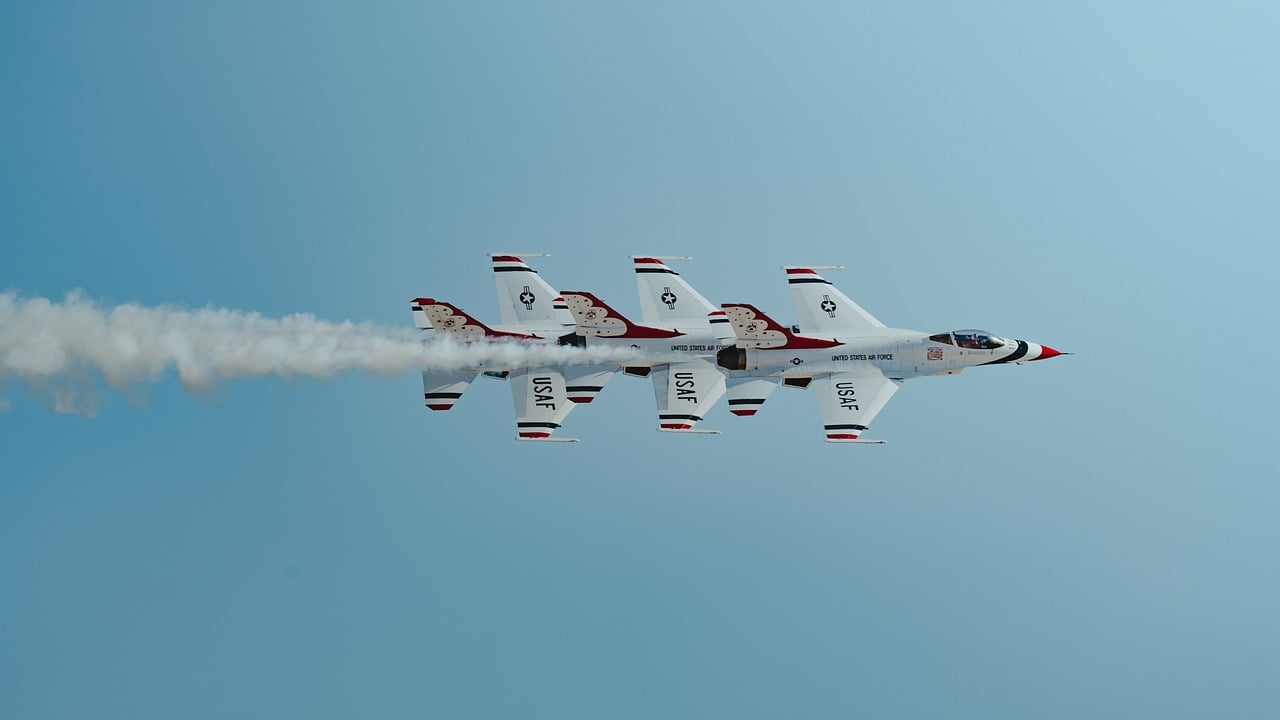
This guide delves into the intricate world of aeroplane fuel and engine systems, offering a detailed exploration of their functionality, types, maintenance, and environmental considerations. From understanding the chemistry behind aviation fuels to unraveling the complexities of jet engines, this article equips readers with comprehensive knowledge about what powers our flights.
Introduction: Unveiling the Power Behind Flight
In the vast realm of aviation, aeroplanes are the majestic birds that soar through the skies, defying gravity and connecting continents. But what propels these marvels of engineering into the air? The answer lies in a sophisticated interplay between aeroplane fuel and engine systems. This guide aims to dissect this vital partnership, shedding light on the science, technology, and care required to keep these aircraft aloft.
I. Understanding Aeroplane Fuel: The Fuel for Flight
A. Types of Aviation Fuels
Aeroplane fuels are classified into several types, each tailored to specific engine requirements and flight conditions. The most common categories include:
-
Jet Fuel: Used in turbine engines, jet fuel is known for its high energy content and low freezing point. It comes in various grades, such as Jet A and Jet A-1, designed for different temperature environments.
-
Avgas (Aviation Gasoline): Suitable for piston engines, avgas has a higher octane rating than regular gasoline to prevent detonation during high-altitude flight.
-
Alternative Fuels: The aviation industry is exploring sustainable options like biofuels, synthetic fuels, and even electric propulsion, aiming for reduced environmental impact.
B. Fuel Chemistry and Properties
The chemistry behind aeroplane fuel is intricate, involving a mix of hydrocarbons and other compounds. Key properties to consider include:
-
Energy Content: Measured in megajoules per liter (MJ/L), it dictates the fuel's energy output. Higher energy content translates to longer flight durations.
-
Viscosity: This property affects fuel flow and injection, with thinner fuels flowing easier but potentially causing engine deposits.
-
Octane Rating: Crucial for avgas, the octane rating indicates resistance to knocking or detonation under high compression.
-
Freezing Point: Important for jet fuel, a lower freezing point ensures the fuel remains liquid at cold temperatures encountered during high-altitude flight.
C. Fuel Storage and Management
Effective aeroplane fuel management involves strategic storage and monitoring:
-
Fuel Tanks: Aircraft are equipped with fuel tanks designed for specific fuel types and volumes. Modern planes often feature self-contained, pressure-regulated systems for efficient fuel distribution.
-
Fuel Gauge and Monitoring: Pilots rely on fuel gauges to track consumption and remaining reserves. Advanced systems provide real-time data, ensuring pilots make informed decisions during flight.
-
Stabilization and Additives: Fuel stabilizers prevent degradation, while additives control engine deposits and improve performance.
II. Engine Systems: The Heart of Flight
A. Types of Aircraft Engines
Aeroplane engines can be broadly categorized into two types:
-
Turbine Engines (Jet Engines): These power most modern aircraft, using a turbine to extract energy from hot gas produced by combustion. They are efficient and powerful, enabling long-range flights.
-
Piston Engines: Commonly found in smaller aircraft, piston engines use a series of reciprocating pistons to convert fuel combustion into mechanical power.
B. Engine Components and Functionality
A closer look at the critical components and their roles:
-
Combustion Chamber: The heart of an engine, where fuel and air mix and ignite, producing hot gases that spin the turbine.
-
Turbine Blades: These blades extract energy from the hot gases, spinning the shaft connected to the propeller or generator.
-
Propeller/Fan (for Jet Engines): In jet engines, a fan at the front accelerates air, increasing overall airspeed and providing thrust.
-
Crankshaft: Converts the rotational motion of the turbine into linear motion, powering various components on the aircraft.
C. Engine Efficiency and Performance
Engine efficiency is a key metric, measured by:
-
Thermal Efficiency: The ratio of useful work output to heat rejected, indicating how effectively energy is converted from fuel.
-
Specific Fuel Consumption (SFC): Liters of fuel consumed per kilometer or pound of thrust, reflecting engine performance. Lower SFC means better efficiency.
III. Fuel and Engine Maintenance: Ensuring Smooth Operations
A. Regular Fuel System Checks
Proper maintenance is paramount to ensure reliable flight operations:
-
Fuel Filter Changes: Regularly replacing fuel filters prevents clogging, ensuring fuel flow remains unobstructed.
-
Fuel Tank Inspection: Visual inspections and regular testing for contaminants or moisture are essential to prevent damage.
-
Hydraulic System Maintenance: As fuel systems often integrate with hydraulic systems, routine maintenance is crucial to avoid leaks and ensure smooth control surfaces.
B. Engine Overhaul and Service
Engines require periodic overhauls to maintain peak performance:
-
Interval-Based Maintenance: Many engines undergo scheduled overhauls at specific flight hours or time intervals to replace worn components and ensure reliability.
-
Engine Run-Up and Testing: Before flight, engines are run up to operating temperature, allowing for performance checks and ensuring all systems function optimally.
-
Turbine Blade Inspection: Turbine blades are examined for cracks, wear, or damage, as these can affect engine efficiency and safety.
IV. Environmental Considerations: Greener Skies
A. Sustainable Aviation Fuels (SAFs)
The aviation industry is embracing sustainable practices with the development of SAFs:
-
Biofuels: Derived from renewable sources like vegetable oils or algae, biofuels reduce greenhouse gas emissions and dependence on fossil fuels.
-
Synthetic Fuels: Created through advanced chemical processes, synthetic fuels can be tailored to meet specific engine requirements while offering lower emissions.
B. Emissions Control and Regulations
To mitigate environmental impact, regulations focus on:
-
Carbon Emission Limits: International agreements and national policies set targets for reducing aircraft carbon emissions, encouraging the adoption of cleaner technologies.
-
Noise Reduction: Engine designs and operational procedures are optimized to reduce noise pollution, especially in urban areas.
-
Efficiency Standards: Regulators push for improved engine efficiency through stricter performance standards, contributing to reduced fuel consumption and emissions.
V. Safety and Emergencies: Navigating the Unforeseen
A. Fuel System Failures and Mitigation
Understanding potential failures and their impacts is vital for safety:
-
Fuel Line Freezing: In cold climates, fuel lines can freeze, disrupting fuel flow. Modern systems incorporate anti-freeze additives and insulation to prevent this.
-
Fuel Pump Malfunction: Backup pumps and redundancy in the electrical system ensure continued fuel supply even if primary pumps fail.
B. Engine Indications and Emergency Procedures
Pilots are trained to interpret engine instruments and take appropriate actions:
-
Engine Warning Lights: Illuminating when sensors detect anomalies, these lights prompt pilots to check for issues like high cylinder temperatures or oil pressure problems.
-
Emergency Descents: In case of engine failure, pilots must quickly assess the situation and plan an emergency descent to the nearest suitable airport.
Conclusion: Soaring Towards a Sustainable Future
The intricate world of aeroplane fuel and engine systems is a testament to human ingenuity and our relentless pursuit of flight. From the chemistry behind fuels to the complex choreography of engines, every component plays a critical role in keeping aircraft aloft. As aviation continues to evolve, embracing sustainable practices and advanced technologies will shape its future, ensuring safer, greener skies for generations to come.